
Eike Becker_Architects
Urban architecture
Eike Becker_Architekten work at the interface between architecture and urban planning. The Berlin office combines aesthetic standards, innovative technology, sustainability and energy efficiency with social responsibility for the design of liveable spaces – both private and public.
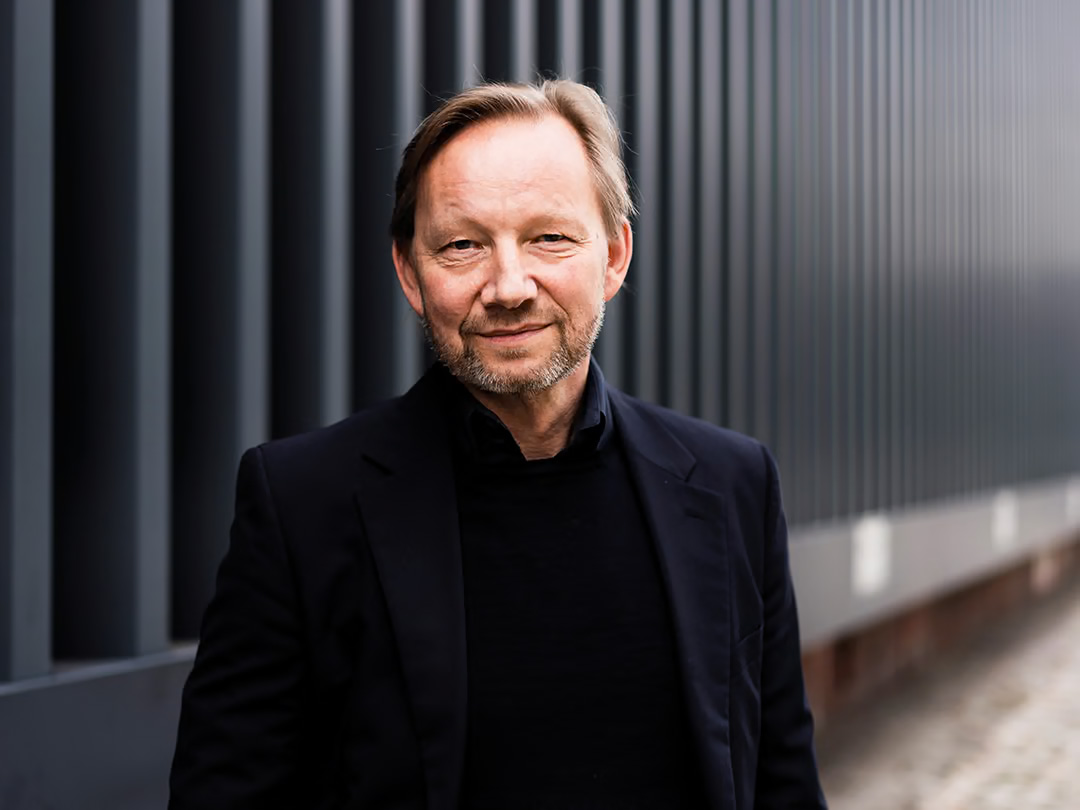
Photo@Eike Becker_Architects
Mr. Becker, what constitutes successful architecture for you?
We aim to meet the increasingly diverse demands placed on architecture by both society and individuals as comprehensively as possible. Architecture should create “good” spaces – both public and private – and be aesthetically pleasing, functional and sustainable. We have developed our response to the ever-increasing complexity into our architectural strategy and design method under the term “superference”.
You are always interested in the interplay between architecture and the city. What role does this approach play in prestigious corporate buildings such as the MAXXHeim? Corporate architecture goes far beyond the purely functional requirements of a modern company headquarters. Corporate real estate accounts for around ten percent of all buildings. Corporate architecture shapes the face of our cities and the quality of our living spaces to a significant extent. This gives rise to a special urban planning responsibility. In addition to its representative effect for the company, it should also offer added value for the architectural appearance of the urban environment.
They advocate abandoning familiar standards in residential construction in order to make building and living affordable again.
We have become accustomed to certain living standards that we are transferring to ever smaller units. We need to check whether this is still appropriate in view of the huge increase in construction costs. Does every apartment need a balcony, no matter how small? Wouldn’t it be more sensible, Offer communal areas on the first floor or on the roof terrace? This would also counteract the increasing loneliness. And that’s just one example. A good quality of living is not measured in terms of square meters and amenities. Unfortunately, we struggle to implement innovative living concepts in this country.
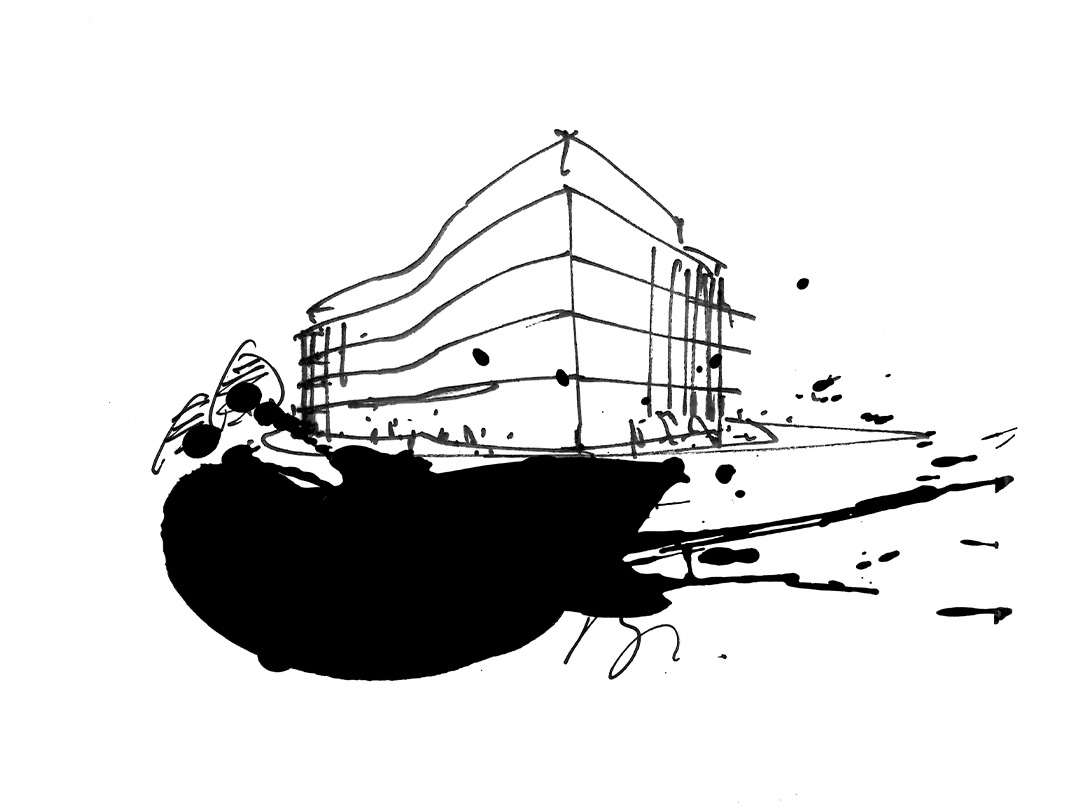
Design@Eike Becker_Architects

Design@Eike Becker_Architects
Design@Eike Becker_Architects
Design@Eike Becker_Architects
Do you also see this pent-up demand for office properties?
In this area, better building means more sustainable and energy-efficient construction and the lowest possible CO₂ emissions. The motivation here is different: A company’s office property has a direct impact on its credibility with employees and customers – and this is increasingly determined by sustainability criteria. Today, companies must pay attention to reducing their carbon footprint. This can be achieved to a large extent through real estate, which accounts for around 25 percent of this. Against this backdrop, the pure rental price plays a lesser role.
We also need to create attractive workplaces to bring employees back into the office. Real teamwork can only happen when people come together. Modern communication technology can support this, but it cannot completely replace direct interaction. With the campus character of MAXXHeim, we are taking up this idea.